Electric Toothbrush or Manual: Which is Better for Your Teeth?
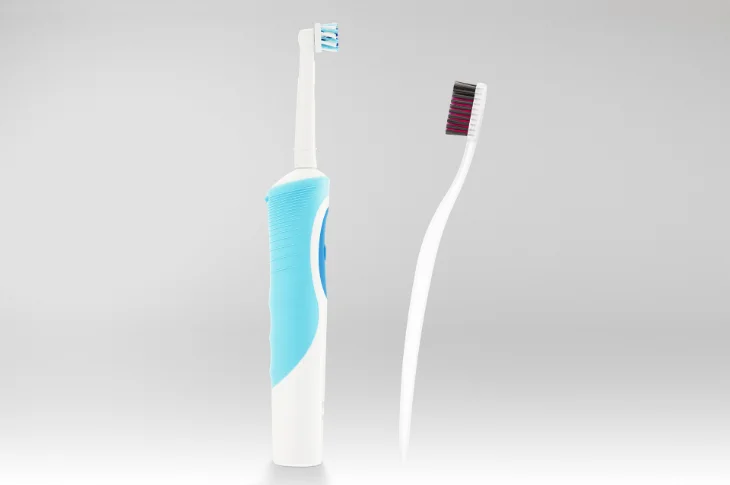
Photo: pixabay.com/Pixabay
Maintaining dental health is an important prerequisite for overall well-being, and choosing the right toothbrush is one of the most essential steps on this path. Today, the range of dental care products available on the market is wide and diverse, and for many, the question is relevant: which one is actually better – the electric or the manual toothbrush. The best thing would be to address this question to a dental hygienist, who will assess the condition of teeth and gums, and recommend both the most suitable toothbrush and other oral care products.
However, in general about what are the most significant advantages of electric and manual toothbrushes, tells Adoria hygiene specialist Anita Preisa.
Electric Toothbrushes: Advantages and Disadvantages
Since their appearance on the market, electric toothbrushes have quickly become popular, and there is undoubtedly a good reason for that. They offer several significant advantages compared to manual toothbrushes.
- Electric toothbrushes make many more movements per minute than manual brushes, which ensures more effective plaque removal. Thanks to vibrating, oscillating and/or pulsating movements, electric toothbrushes can reach hard-to-reach places and provide deeper cleaning, reducing plaque and gum inflammation risk.
- Electric toothbrushes are often equipped with a built-in timer that helps maintain the recommended two-minute brushing time. This timer is usually divided into 30-second intervals, signaling when to move to the next oral quadrant, ensuring even brushing time for all teeth. This is especially useful for those who tend to rush with brushing.
- More modern electric toothbrushes are equipped with pressure sensors that warn if too much pressure is applied during brushing. This feature is especially important for people with sensitive gums or those prone to gum recession, as it helps avoid unnecessary pressure and trauma. Too much pressure can cause gum recession and tooth enamel damage.
However, electric toothbrushes also have some disadvantages. They are more expensive than manual ones and you will need to remember to charge the toothbrush regularly, which can be inconvenient during travel. In addition, electric toothbrushes create vibration, which can cause discomfort for some. Also, the use of electric toothbrushes may be contraindicated or limited in various dental and oral conditions and problems, such as after dental surgeries. After implantation or gum surgeries, the use of electric toothbrushes may need to be limited to avoid traumatizing the surgical site.
When to Choose an Electric Toothbrush?
- If you want more effective plaque removal.
- If you have difficulty maintaining the recommended tooth brushing time.
- If you tend to apply too much pressure during tooth brushing.
- If you have limited motor skills that make using a manual toothbrush difficult.
At the same time, it is important to remember that even the best electric toothbrush will not ensure optimal oral health if hygiene basic principles are not followed. Remember that prevention is always better than treatment, and regular dental hygienist visits and daily oral hygiene are essential to maintain a healthy and beautiful smile.
Photo: pixabay.com/Pixabay
Manual Toothbrushes: Advantages and Disadvantages
Although electric toothbrushes offer several advantages, manual toothbrushes also have their own benefits.
- They are cheaper than electric toothbrushes. Manual toothbrushes are available in a wide price range, and they can be purchased in almost any store.
- Easier to carry, which is convenient for travel. Manual toothbrushes take up little space and do not require charging.
- Manual toothbrushes offer greater comfort for those who do not like vibration. This is significant for people with pronounced sensitivity.
However, to achieve good results with a manual toothbrush, it is important to follow the correct tooth brushing technique. It should be remembered that the toothbrush should be held at a 45-degree angle to the gum line and gentle, vibrating movements should be made. It is important to clean each tooth from all sides, as well as the tongue and clean the gums.
Tooth brushing should take at least two minutes and be done twice a day – in the morning after breakfast and in the evening before bedtime. In addition, means for cleaning between teeth must be used – dental floss, irrigator or special interdental brushes. As for whether mouthwash is necessary daily, the dental hygienist will explain that.
When to Choose a Manual Toothbrush?
- If you are looking for an economical solution.
- If you travel frequently and do not want to carry a charger.
- If you have pronounced sensitivity and the vibration of an electric toothbrush causes significant discomfort.
Which Toothbrush is Better?
Both electric and manual toothbrushes can effectively clean teeth if used correctly. Ultimately, the choice depends on individual preferences and needs. If you are looking for a more convenient and effective solution, an electric toothbrush will be a better choice. If price and portability are the priority, a manual toothbrush might be more suitable.
Regardless of the type of toothbrush you choose, it is important to maintain regular and thorough oral hygiene. This includes brushing teeth twice a day, using dental floss, regular dentist visits and professional tartar removal. It is also important to pay attention to the toothpaste composition.
Adults should choose paste with 1350–1500 ppm fluoride concentration, which will provide not only effective protection against tooth decay and bacterial growth, but also strengthen and remineralize tooth enamel. Preventive tooth protection will also be provided by professional tooth fluoridation, which helps strengthen tooth enamel and protect against caries.
And Which Toothbrush to Choose for Children?
For children, toothbrush selection is especially important because they are only developing proper tooth brushing habits and motor skills. Electric toothbrushes with bright colors and favorite characters can make tooth brushing more fun and motivate children to do it regularly.
However, for children up to 3 years old, manual toothbrushes are recommended, adjusting the brush shape and head size according to the child's age stage. For older children, an electric toothbrush can be chosen, but up to 10 years old, parents should supervise the brushing process and clean the teeth.
Photo: adoria.lv
Dental Hygienist for the Whole Family at Health and Beauty Center Adoria!
Entrust the care of your and your family members' dental health and beauty to Adoria dental hygienists and other dental specialists!