What is Endodontics and Recommendations Before the Procedure
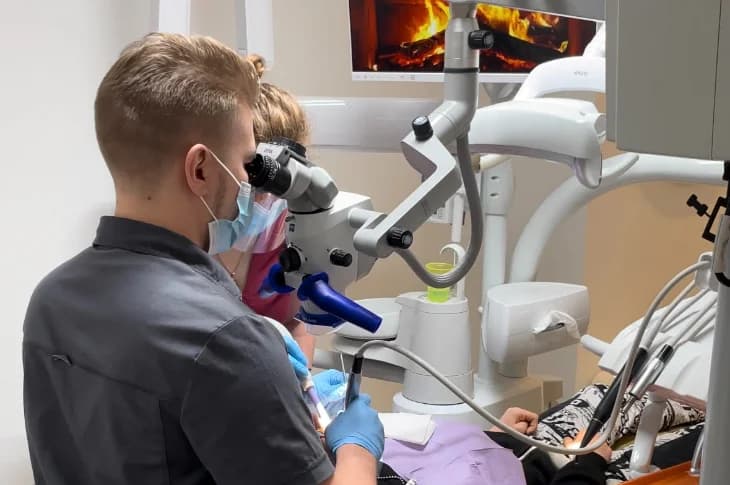
Photo: adoria.lv
Tooth pain causes not only discomfort and affects overall quality of life, but also signals serious tooth damage, when dentist help must be sought urgently. When tooth damage is extensive and has affected deeper tissues, it may seem that the only way out is tooth extraction. However, in most cases endodontics allows not only to quickly and effectively eliminate pain-induced discomfort, but also save the tooth from extraction.
What is endodontics, how does the treatment process work and how should the patient prepare for the procedure to ensure it goes smoothly and without complications, tells dentist at the Health and Beauty Center Adoria Aleksandra Feoktistova.
What is Endodontics and When is it Needed?
Endodontics or root canal treatment is a branch of dentistry that specializes in treating tooth pulp inflammation. Tooth pulp is the soft tissues of the tooth that contain nerves and blood vessels, while tooth pulp inflammation, medically called pulpitis, can be caused by various factors.
- Caries: untreated caries in time is the most common cause of pulpitis. Caries gradually spreads in tooth tissues, over time forming an increasingly deep tooth damage or so-called cavity, promoting further bacterial spread to the tooth's soft tissues. As a result of infection, inflammation forms in the tooth pulp, causing severe pain, often also swelling that tends to spread to a wider facial area.
- Tooth trauma: falls, blows or sports trauma can cause tooth fracture or tooth enamel micro-cracks, which are a favorable environment for bacterial spread and caries development. Even if no visually detectable tooth damage results from trauma, it is advisable to perform a preventive dental check-up as soon as possible.
- Old, deformed fillings: if the filling is damaged, caries can spread over time even to previously filled teeth, so it is important to regularly check previously treated teeth and replace old fillings upon doctor's recommendation.
- Tooth wear: bruxism or unconscious excessive teeth grinding or strong clenching, especially during sleep, over time causes tooth enamel wear and micro-cracks, increasing tooth caries spread and tooth pulpitis risk. To reduce bruxism manifestations, patients are prescribed general lifestyle corrections, but the dentist will help assess the degree of tooth wear and recommend the most suitable treatment methods, such as night guards.
- Chemical exposure: regular consumption of acidic foods and drinks over time can cause enamel erosion, thus providing a favorable environment for bacterial spread and caries development.
- Periodontal diseases: gingivitis and periodontitis are serious and hard-to-treat gum diseases that promote tooth decay, pulpitis and other dental and oral problems. In case of untreated periodontal diseases, the patient may have to lose all teeth in the jaw, when the only further solution is extensive dental prosthetics.
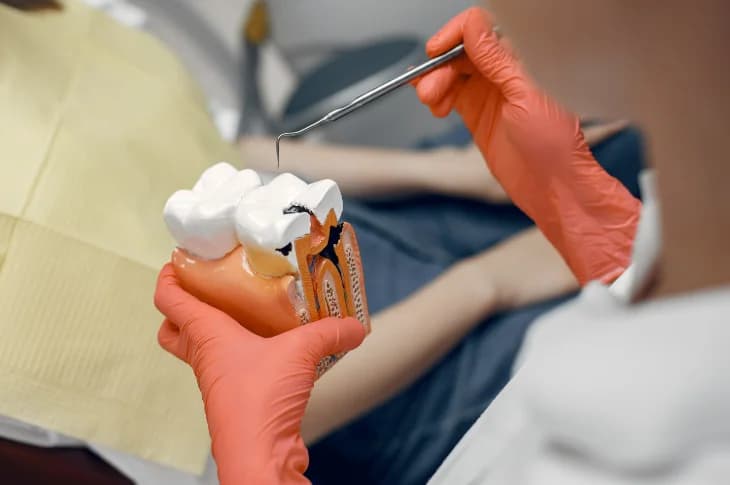
Photo: freepik.com/Freepik
If untreated pulpitis leads to more severe conditions, such as abscess or tooth root pus formation, and endodontic treatment is no longer possible, the tooth is extracted to protect surrounding teeth from further infection spread. In such a case, the patient is recommended dental surgery and implantology solutions that allow restoring the lost tooth.
How Does Endodontic Treatment Work?
Root canal treatment is usually performed over two visits. During the first visit:
- diagnostics of the tooth and surrounding tissues are performed, conducting digital X-ray examinations that allow precisely assessing the extent of inflammation and root canal anatomy;
- to ensure complete comfort during the procedure, local anesthesia is administered to the patient;
- then carious tooth masses are removed, allowing access to the infected tooth pulp;
- using special instruments, the root canals are cleaned and disinfected;
- the root canals are filled with special medications to prevent recurrent infection spread, and a temporary filling is placed on the patient.
If no complications are observed after the first procedure, the patient arrives for the next visit in about 10 days. During the second visit:
- the root canals are hermetically filled with permanent filling;
- depending on the patient's wishes and extent of tooth damage, a permanent filling is placed or other dental prosthetics solutions are offered.
At the Health and Beauty Center Adoria, endodontics is performed under the control of the latest generation microscope, which significantly facilitates the treatment process, ensures higher treatment precision, and moreover, the integrated HD camera allows documenting and further analyzing the patient's treatment process.
- How do modern and innovative technologies improve dental service quality? Read the article “Latest Technologies in Dentistry: A Specialist Comments” and find out why it is worth choosing a dental facility with modern, latest generation equipment!
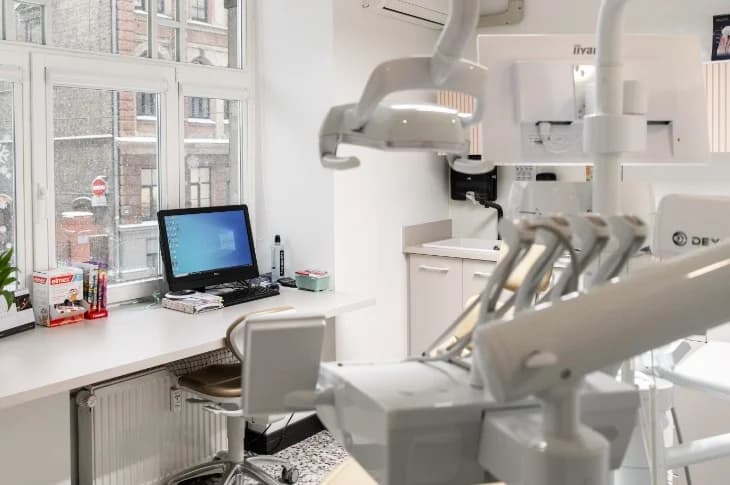
Photo: adoria.lv
Recommendations Before Endodontic Procedure
To ensure root canal treatment goes smoothly and without complications, it is important to follow a few recommendations.
- Inform the dentist about your health condition: before starting treatment, it is important to inform the specialist about your health condition, medications used, allergies and chronic diseases, as this can affect the treatment plan development.
- Do not warm the painful, swollen area: although heat can temporarily reduce pain, to alleviate discomfort, warm compresses or hot water bottles should never be used under any circumstances. Heat promotes blood vessel dilation, increasing blood flow to the inflamed area, thus worsening the unpleasant condition, causing increased swelling, pain and even promoting infection spread to surrounding tissues.
- Consult your doctor about painkiller use: if pain before the visit is very pronounced, consult the specialist beforehand on how often and which painkillers are recommended to use.
- Avoid caffeine or alcohol before the procedure: these substances can reduce anesthesia effectiveness, moreover, caffeine can also increase blood pressure and heart rate, while alcohol has blood-thinning properties that can increase bleeding risk during the procedure.
- Arrive for the procedure well-rested and fed: this will help feel more comfortable and reduce stress during the procedure, however, immediately before the visit, it is advisable to avoid a heavy meal.
Take Care of Your Dental Health in Time with Adoria Dentistry Specialists!
Wide range of general dental therapy services, modern and precise root canal treatment, dental surgery and implantology at the Health and Beauty Center Adoria, Riga, A. Čaka Street 70-3!