Heart Palpitations: Are They Dangerous? A Specialist Comments!
Photo: freepik.com/Freepik
Almost everyone has experienced heart palpitations or extrasystoles in daily life. In most cases, individual palpitations are not dangerous and do not cause serious health problems. However, if palpitations are frequent, prolonged or accompanied by other symptoms such as shortness of breath, chest pain, dizziness, they may indicate more serious heart problems.
What causes heart palpitations, what are the typical symptoms and when to see a doctor, tells cardiologist at the Health and Beauty Center Adoria Asnate Ošāne
When the Heart Skips: What Causes Heart Palpitations?
The heart is a muscular organ that continuously ensures blood circulation throughout the body. Blood carries oxygen and nutrients to cells and also removes metabolic products from them. Meanwhile, heartbeat is regulated by electrical impulses that cause heart muscle contraction.
These impulses do not originate outside the heart, but in the heart itself – in special cells called pacemaker cells. Most of them are concentrated in the sinoatrial node, located in the right atrium. Heart palpitations or extrasystoles occur when impulses come not from the sinoatrial node, but from another place in the heart.
This impulse causes an extra, fast heartbeat, which is then compensated by a longer pause, creating the sensation that the heart skips. Heart palpitations can be short-term and harmless, but sometimes they may indicate serious cardiovascular diseases, so it is important to perform necessary examinations in time.
What Causes Heart Palpitations?
Heart palpitations can be caused by various factors, including:
- Physical activity: one of the primary factors, especially if the load is too intense or the fitness level is not appropriate for the load. However, it is important to remember that regular, moderate physical activity is generally very beneficial for heart health.
- Stress, anxiety and emotional overload: strong emotions such as fear, excitement, stress;
- Caffeine, alcohol and nicotine: these substances affect both heart rate and blood pressure, and when used long-term or in excessive doses, can cause not only heart palpitations, but also other heart and vascular system problems;
- Medications: certain medications can cause heart palpitations as a side effect;
- Electrolyte imbalance: electrolytes (sodium, potassium, calcium, etc.) help maintain normal cell function, nerve impulse transmission and muscle contractions, including normal heart muscle function. Excessive sweating, diarrhea or vomiting, long-term unhealthy diet, kidney diseases cause increased electrolyte loss, as a result of which heart rhythm disturbances, including palpitations, can be observed.
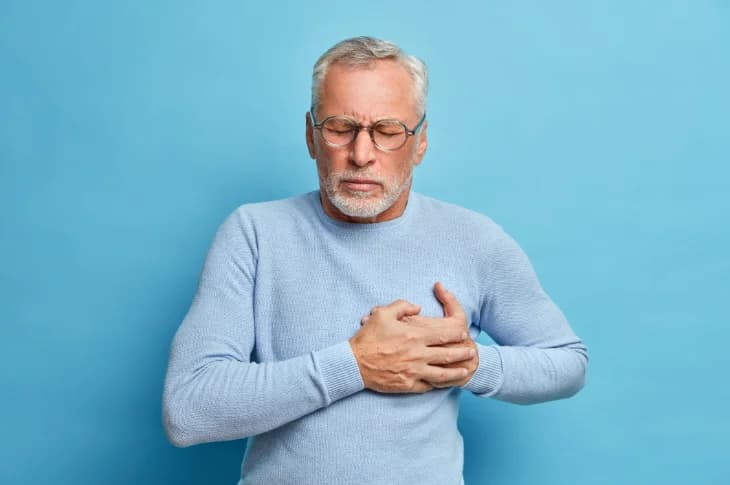
Photo: freepik.com/Freepik
How to Recognize Heart Palpitations?
Heart palpitation symptoms can vary and differ depending on their cause and frequency. The typical heart palpitation symptoms are:
- sensation that the heart skips a beat or jumps: the so-called heart skipping – it may feel like the heart stops for a moment or jumps over one beat.
- heart pounding: felt increased heartbeat, as if the heart is beating too fast or too slow.
- discomfort in the chest area: pressing or constricting sensation in the chest;
- shortness of breath: palpitations can cause shortness of breath, especially during physical overload;
- weakness: weakness and feeling of weakness that hinders daily activities;
- increased sweating: sometimes palpitations can cause increased sweating;
- dizziness: in more severe cases, palpitations can cause dizziness or even fainting.
Can Heart Palpitations Be Dangerous?
In most cases, palpitations are not dangerous and pass on their own. However, if they recur frequently, are prolonged or associated with other symptoms such as severe chest pain, shortness of breath attacks, dizziness and increased sweating, it is necessary to urgently see a family doctor or cardiologist.
Frequent heart rhythm disturbances may indicate serious heart diseases such as heart arrhythmias, heart valve diseases or defects, coronary artery disease, cardiomyopathy. Heart palpitations can also be a symptom of anemia, thyroid diseases and other ailments.
Diagnosis and Treatment
If heart palpitations start recurring regularly in daily life, it is important to see a cardiologist to determine their cause. The doctor will conduct a thorough history, measure blood pressure and pulse. To clarify the diagnosis, additional examinations may be prescribed.
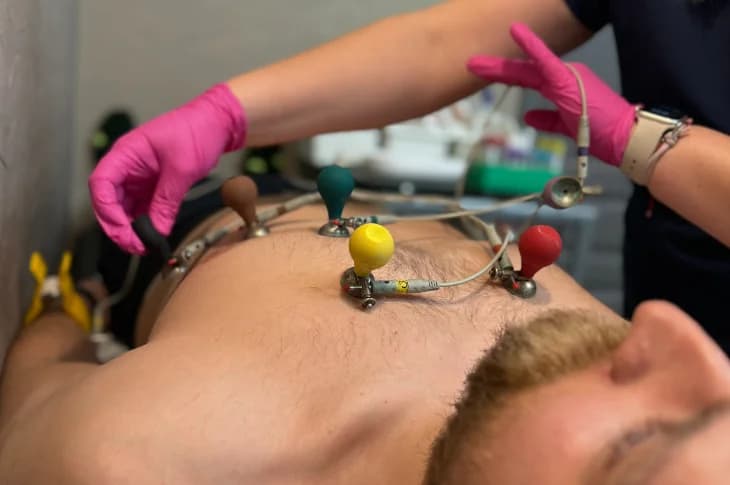
Photo: adoria.lv
- Electrocardiography (ECG): graphical heartbeat recording, during which the doctor can track the origin of the heart's electrical impulse and impulse spread, and conclude whether more detailed examination is needed.
- Echocardiography: during the examination, data on heart anatomy and heart function are obtained.
- Holter monitoring: with a portable device, electrocardiogram is recorded for the patient over a 24-hour period. During this examination, various heart rhythm disturbances can be detected at all times of the day – even when the patient is not awake, as often heart rhythm disturbances occur precisely during sleep.
- Veloergometry or exercise stress test: allows recording possible palpitations during load, as well as verifying whether heart rate adequately changes and increases during load. Blood pressure is also measured during load, which is also important in heart rhythm disturbances.
- Blood tests: blood tests can help determine electrolyte levels and detect other possible health problems.
- Dopplerography: ultrasound examination that allows visually assessing heart structure, its function and blood flow in blood vessels.
Heart palpitation treatment depends on their cause. If caused by stress, inappropriate physical load or daily habits, the doctor may recommend lifestyle corrections, including:
- techniques to reduce stress, sleep regimen corrections, dietary supplements to strengthen the nervous system;
- regular moderate physical activity adapted to the patient's fitness level;
- diet change that includes eliminating caffeine, alcohol and nicotine, healthy balanced diet.
Meanwhile, if heart palpitations are associated with more serious heart diseases, medication treatment or even surgical intervention may be necessary.
Take Care of Your Heart Health in Time!
Heart health check-up at the Health and Beauty Center Adoria, Riga, A. Čaka Street 70-3! Experienced specialists, the most modern equipment and wide range of examinations – book your appointment now!