Advantages and Disadvantages of Dental Implants
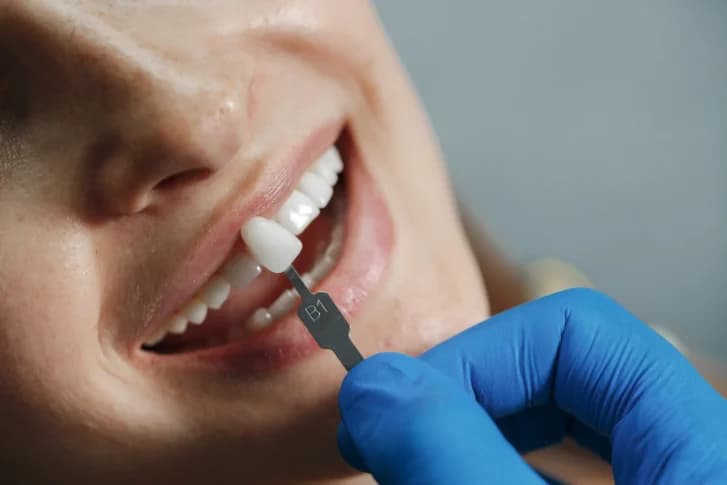
Photo: freepik.com/Freepik
Dental implants are an innovative and effective solution for replacing missing teeth, surpassing traditional methods with long‑term results and improved functionality. However, like any medical procedure, dental implantation involves potential risks and limitations. In this article, dentist Darja Gvergžde from the Health and Beauty Centre Adoria sheds light on the key advantages and possible drawbacks of dental implant placement.
Main Benefits in Brief
- Long lifespan: a long‑term solution that can last 15–20 years, in some cases for a lifetime.
- Restored dental functions: fully restores natural chewing and speech functions.
- Bone health: stimulates the jawbone, prevents bone loss and changes in facial contours.
Possible Drawbacks in Brief
- Higher costs: the procedure is more expensive than removable dentures.
- Surgical intervention: requires surgery and a recovery period.
Main Advantages of Dental Implants
Compared with traditional tooth‑replacement methods such as removable dentures or dental bridges, dental implants offer a range of advantages. One of the most important is their long‑term prognosis. After precise surgical placement and adequate maintenance of the patient’s oral hygiene, dental implants can function for several decades, most often for life.
This longevity provides patients with long‑term functional and aesthetic rehabilitation without the need for repeated replacement or periodic adjustments, as is characteristic of other restoration methods.
- What factors influence the lifespan of dental implants and how to extend it – find out by reading the article: “How long do dental implants last: specialist comments!”
Functionally, dental implants clearly outperform alternative methods. They fully restore chewing efficiency, allowing patients to include various types of food in their diet without discomfort or functional limitations. In addition, speech is improved, which is often impaired after tooth loss. Unlike removable dentures, which can be unstable and uncomfortable when eating or speaking, implants are firmly fixed in the jawbone, providing the patient with a natural feel and physiological functions.
Particular attention to dental implant therapy should be given to patients with partial or complete tooth loss. Extensive tooth loss not only causes functional and aesthetic discomfort, but can also lead to serious consequences for jawbone health. A chronic deficit of physiological load on the jawbone over time causes alveolar bone atrophy – a reduction in volume and density.
Progressive bone atrophy negatively affects facial profile, promoting early signs of aging. Timely placement of dental implants is an important preventive measure that helps maintain jawbone volume and physiological stimulation. In addition, implants provide stability for adjacent teeth (if present), preventing their migration and preserving a normal bite.
The aesthetic aspect is another important benefit of dental implant therapy. Dental restorations attached to implants are visually and functionally indistinguishable from natural teeth. Artificial crowns or bridges are made individually, taking into account the patient’s facial and tooth morphology, ensuring optimal color and shape harmony with the existing teeth and facial features. As a result, patients obtain a natural and aesthetically attractive smile, which can significantly boost self‑confidence and improve overall quality of life.
Photo: adoria.lv
Possible Drawbacks of Dental Implant Therapy
Despite the high effectiveness of dental implant therapy and its many advantages, it is essential to consider the possible drawbacks. One of the most important aspects is the financial investment. Dental implantation is a more expensive treatment method compared to other tooth‑replacement alternatives. However, taking into account the long‑term durability and functional resilience of dental implants, this initial investment can prove economically justified in the long run.
Surgical intervention is another factor that can influence a patient’s decision. Dental implant placement is a surgical procedure that, although nowadays carried out using minimally invasive techniques and with maximum reduction of discomfort, requires a certain amount of time and a recovery period.
After the procedure, patients may experience local swelling and discomfort, which can be reduced with painkillers. In addition, to ensure successful osseointegration, the patient must strictly follow the treating dentist’s recommendations for post‑operative care and oral hygiene maintenance.
- Would you like to find out how the dental implant placement procedure proceeds step by step? Read the article prepared by our dental specialists: “Dental implant procedure: how does it go and what to expect?”
Although low, the risk of possible complications must also be taken into account. Modern technologies and biomaterials have significantly reduced the risk of complications, but in rare cases there still remains a risk of infection or impaired implant integration, which can lead to implant rejection.
To minimise the risk of possible complications, it is recommended to choose an experienced and highly qualified dental clinic, as well as to carefully maintain individual oral hygiene and regularly visit a dentist and dental hygienist for preventive check‑ups and professional oral hygiene. Careful planning, preparation and proper post‑operative care are the main factors that promote a successful treatment outcome and minimise potential risks.
Dental implants or dental dentures: comparison
When choosing between dental implants and dental dentures, it is important to understand the differences and suitability of each method for the individual situation. Dental prosthetics is a more traditional and economically accessible method, which includes removable or fixed dentures to replace missing teeth. Dentures may be suitable in cases where implants are not medically indicated or not financially feasible.
However, compared with dental implants, dental dentures have several drawbacks. When placing removable dentures, an adaptation period is to be expected; in some cases, their use may still cause discomfort and impair eating and speech functions even after the adaptation period. Fixed dentures, such as dental bridges, require the grinding of adjacent teeth, which can be an irreversible process and may affect tooth health in the long term. In addition, removable dentures, compared with implants, usually last a shorter time and require regular replacement.
Dental implants, on the other hand, offer a more stable, long‑term and natural solution. They do not affect adjacent teeth, provide full functionality and aesthetics. Although the initial costs may be higher, implants can prove more cost‑effective and comfortable in the long run. Thus, the choice between dental implants and dentures depends on individual needs, financial possibilities and medical condition, but implants are often considered the preferred option when no medical contraindications exist.
Photo: adoria.lv
Adoria Dentistry in the Centre of Riga – Your Smile Is Our Care!
The Health and Beauty Centre Adoria dentistry in the centre of Riga, at A. Čaka iela 70‑3, offers high‑quality dental implantation services, using the most modern technologies and certified materials. Our experienced specialists ensure an individualised approach for each patient, carefully planning the treatment process and delivering excellent results.