What Cradle Cap How Treat Safely at Home?
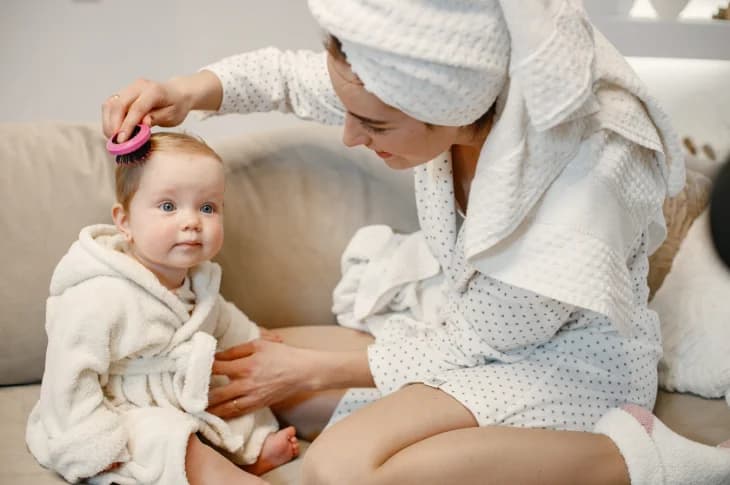
Photo: freepik.com/Freepik
Yellowish flaky scales appearing on infant's scalp often causes anxiety in new parents. Though cradle cap as this phenomenon called most cases harmless transient skin condition its proper recognition gentle care essential both baby's comfort parents' peace of mind.
How recognize cradle cap how safely reduce at home when still need turn to children's dermatologist tells Health and Beauty Center Adoria dermatologist Dace Beķere.
In this article you'll learn:
- What cradle cap: how recognize most characteristic cradle cap symptoms what causes;
- Safe home care: what methods dermatologist recommends gently get rid of scales what definitely must not do;
- Specialist consultation: what signs indicate home care no longer enough time turn to children's dermatologist.
What Exactly Cradle Cap Seborrheic Dermatitis?
Cradle cap medically known as infant seborrheic dermatitis very common skin condition affecting infants first months of life. Usually manifests as yellow greasy dry scales forming dense plaques scabs on head scalp.
Though most often observed on head cradle cap can appear also in other body places where high sebaceous gland concentration e.g., on face especially eyebrows around nose behind ears neck diaper area.
Most important know about cradle cap – not contagious not caused by poor hygiene allergic reaction. Most cases causes child no discomfort itch pain considered cosmetic not medical problem passing on its own over time.
Most Characteristic Cradle Cap Signs
To distinguish cradle cap from other skin problems need pay attention to such signs:
- dense yellow brownish scabs on scalp;
- dry greasy skin flakes resembling dandruff;
- possible slight skin redness under scabs;
- hair can fall out together with separated scales but usually regrows;
- condition not painful usually causes no itch discomfort for baby.
Cradle Cap Causes – What Causes It?
Precise cradle cap causes still being studied but prevailing view several factor combination. Main reason associated with hormonal changes. At end of pregnancy mother's hormones cross placenta enter child's body. These hormones can stimulate baby's sebaceous glands causing produce excessive amount sebum – oily substance moisturizing skin.
Excessive sebum amount creates favorable environment for naturally living on skin yeast fungus Malassezia. Believed this fungus overgrowth can cause mild inflammatory reaction in turn accelerating skin cell renewal dead cell accumulation forming characteristic scabs. Not dangerous acquired infection but body's reaction to hormonal microbiome imbalance.
Safe Methods Cradle Cap Treatment at Home
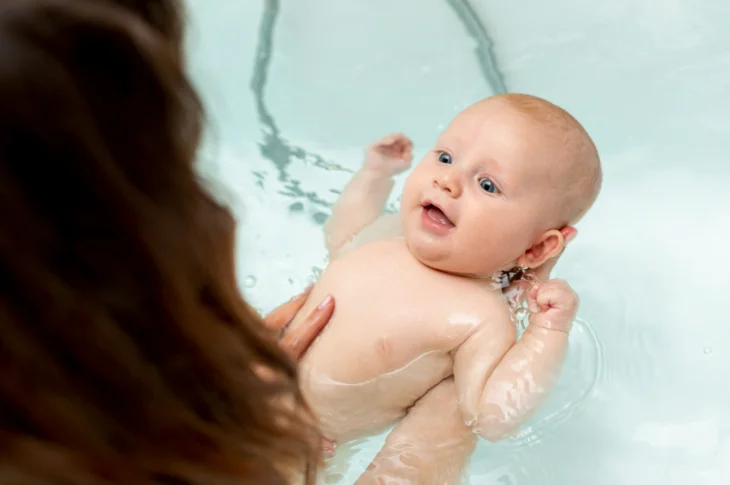
Photo: freepik.com/Freepik
Though cradle cap usually resolves without treatment until baby reaches 1–2 years many parents for aesthetic reasons want speed up this process. To do safely main basic principles regularity gentle approach.
- Skin softening. First step scab softening. About 15–30 minutes before bathing advisable gently massage into child's scalp small amount natural oil. For this purpose excellent special baby oils coconut oil almond oil helping loosen hard scales from skin surface.
- Washing with shampoo. Procedure continues during bathing. Baby's head need wet with warm water washed with mild infant shampoo lightly massaging into skin promote oil dead skin cell separation. Pharmacies over-the-counter available several manufacturers specifically cradle cap reduction developed shampoos for infants.
- Gentle scale separation. After hair rinsing while skin still damp dead skin scales can be combed out with special cradle cap comb with rounded bristles or soft baby hair brush. This process need be very careful gentle performing circular motions avoid traumatizing skin causing baby discomfort.
- Rinsing drying. Finally hair scalp thoroughly rinsed completely get rid of scales shampoo residues gently pat dry scalp with soft towel. This whole procedure recommended perform no more often than 1–2 times a week.
What Must Not Do Caring for Skin with Cradle Cap?
Caring for baby's scalp parents' greatest desire help but sometimes excessive zeal wrong methods can do more harm than good. Too aggressive scale removal can damage skin's natural protective barrier increasing painful inflammation infection risk. Also important remember under scabs located new growing hairs mechanical skin traumatizing can damage hair follicles causing temporary hair loss.
- Don't scratch dry scabs: under no circumstances try scrape rip off dry unsoftened scabs with nails sharp objects. Can damage not only baby's delicate skin creating abrasions infection risk but also traumatize hair follicles.
- Don't use aggressive products: infants must not use adult shampoos soaps products containing strong chemicals fragrances.
- Don't overdo washing: too frequent head washing can dry out skin intensify sebaceous gland activity thus only worsening problem.
When Needed Children's Dermatologist Consultation?
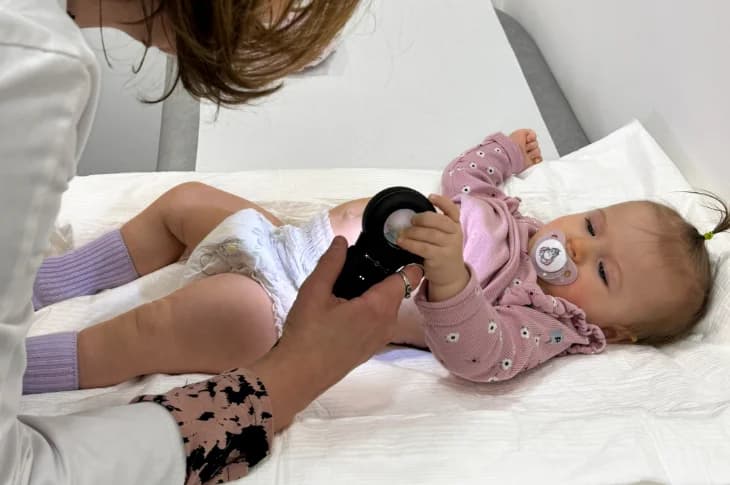
Photo: adoria.lv
Most cases cradle cap easily manageable at home. However situations where children's dermatologist consultation recommended e.g.:
- cradle cap becomes strongly inflamed red starts weep;
- appear infection signs e.g., pustular blisters yellow scabs;
- rashes rapidly spread to face other body parts;
- home care over several weeks provides no improvement;
- baby seems restless suspicion skin causes him discomfort itch.
Such cases children's dermatologist able precisely assess situation recommend most suitable solution potentially including medicated shampoos topical ointments reduce inflammation fungus activity.
- Recognize specific cradle cap symptoms important but child's skin can react with many other rashes requiring enhanced attention. About how distinguish dangerous rashes from harmless how act in each situation more learn reading article: "What Child Rashes Definitely Need Turn to Dermatologist?".
Diagnostics Additional Examinations
Usually cradle cap diagnostics fully sufficient with visual examination performed by pediatrician children's dermatologist. Doctor evaluates rash appearance location extent confirm diagnosis. However separate cases when clinical picture not completely clear suspicion of other skin diseases e.g., atopic dermatitis psoriasis can be ordered additional examinations.
Though in cradle cap case dermatoscopy used rarely can be useful distinguish from other skin diseases if diagnosis visually not completely clear allowing detailed view skin structures without invasive intervention.
Very rare atypical severe cases if suspicion of secondary bacterial infection other systemic disease specialist can order additional tests e.g., skin swab precisely diagnose choose most suitable treatment.
- Similarly as important distinguish cradle cap from other diseases also dry skin eczema atopic dermatitis symptoms can be very similar causing confusion about correct care. If want learn recognize main differences understand when needed doctor's help read more in article: "Dry Skin or Eczema? How Distinguish Symptoms When Go Doctor".
Children's Dermatologist in Riga Health and Beauty Center Adoria!
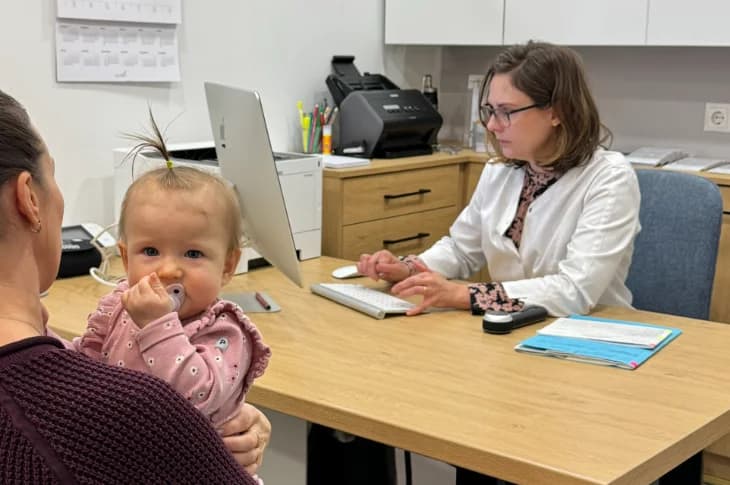
Photo: adoria.lv
If cradle cap doesn't pass or its symptoms concern Health and Beauty Center Adoria children's dermatologist performs precise diagnostics rule out other skin disease risk. Based on examination results parents receive individually developed skin care plan for baby's well-being. Book visit now!