10 Most Common Gynecological Problems How Treat Them

Photo: freepik.com/Freepik
Women's health significantly affected by reproductive system function various life stages potentially influenced by various disorders illnesses. Understanding most common gynecological problems ability timely recognize symptoms essential step towards timely diagnosis successful treatment. **Therefore in this article Health and Beauty Center Adoria gynecologist in Riga Jana Bjornsone provides insight into 10 most common gynecological problems their symptoms treatment methods.**
Most Common Gynecological Complaints Their Causes
Women's reproductive system complex various factors influence can arise multitude of problems. Some of most common complaints women seek specialist include changes in menstrual cycle (irregular too heavy painful absent periods) unusual vaginal discharge (changed color smell consistency) pain in lower abdomen pelvis (chronic acute) itching burning discomfort in genital area pain during intercourse also urinary tract disorders.
These symptoms causes can be very diverse – starting with infections (bacterial fungal sexually transmitted) hormonal fluctuations disorders e.g., related to thyroid polycystic ovary syndrome up to structural changes e.g., uterine fibroids ovarian cysts endometriosis. Also lifestyle factors – stress diet physical activity – can affect gynecological health.
- Learn most important about women's reproductive health regular gynecological check-ups importance read article: "What Gynecology Why Regular Care Important?".
Detailed Insight into 10 Most Common Problems
To better understand gynecological problems diversity let's examine their symptoms standard treatment methods in more detail.
- Vaginal Infections
One of most common problems bacterial vaginosis yeast infection candidiasis. Caused by vaginal microflora balance disturbances. Symptoms can include increased discharge with unpleasant odor (bacterial vaginosis) thick white cottage cheese-like discharge strong itching (yeast infection). Treatment usually involves specific antifungal antibacterial medications.
- Menstrual Cycle Disorders
Can manifest as irregular too frequent rare heavy painful periods. Causes can be diverse – hormonal imbalance stress sudden weight changes polycystic ovary syndrome (PCOS) thyroid problems endometriosis uterine fibroids.
Diagnosis often uses blood tests for hormone levels gynecological ultrasound. Treatment depends on cause can include hormonal therapy pain relievers addressing root cause.
- Polycystic Ovary Syndrome (PCOS)
Hormonal disorder affecting many women in reproductive age. Characteristic symptoms irregular periods or their absence increased hair growth acne weight gain difficulties conceiving. Diagnosis confirmed by symptoms hormone tests gynecological ultrasound results.
PCOS often based on insulin resistance elevated male hormones (androgens) level causing many characteristic symptoms. Important know PCOS also associated with increased risk of developing type 2 diabetes cardiovascular diseases endometrial cancer later in life therefore regular health monitoring essential. Treatment aimed at symptom reduction cycle regulation metabolic problem control often starting with lifestyle corrections.
- Endometriosis
Chronic disease unfortunately becoming more common nowadays. Involves uterine lining (endometrium)-like tissues developing outside uterine cavity. Most often these tissues – endometriosis foci – spread to ovaries fallopian tubes outer uterine surface peritoneum bladder intestines.
Problem lies in these tissues react to hormonal fluctuations during menstrual cycle similarly as endometrium in uterus causing inflammation scar tissue formation often severe chronic pain. Typical symptoms very painful periods chronic pelvic pain pain during intercourse sometimes pain urinating defecating also infertility issues.
Diagnosis can be challenging often starts with symptom assessment ultrasound but confirmation usually requires laparoscopy with tissue sample analysis. Treatment goal reduce symptoms improve quality of life using pain relievers various hormonal therapy types surgical treatment laparoscopically removing endometriosis foci adhesions approach tailored individually to each patient.
- Uterine Fibroids
Benign tumors forming in uterine muscle layer. Often cause no symptoms but can cause heavy prolonged menstrual bleeding pain pressure sensation in lower abdomen frequent urination. Large fibroids can interfere with conception pregnancy course. Diagnosis usually confirmed with gynecological ultrasound assistance.
Treatment necessity method depends on fibroid size number symptom severity woman's reproductive plans. Treatment methods can include medication therapy for symptom control surgical fibroid removal (myomectomy) uterine artery embolization or in severe cases hysterectomy.
Photo: adoria.lv
- Urinary Tract Infections (UTI)
Though urinary tract infections primarily affect urinary system women encounter them much more often than men. Women have shorter urethra located closer to anal opening vagina promoting UTI risk. Such symptoms as discomfort pain in lower abdomen can overlap with gynecological complaints therefore patients often first seek gynecologist rule out other problems.
Classic UTI signs include frequent urgent need to urinate painful urination burning sensation in urethra cloudy foul-smelling urine sometimes blood admixture. Most common UTI cause intestinal bacteria Escherichia coli (E. coli) migrating from perineal area to urethra. Treatment usually with doctor-prescribed antibacterial agents essential complete full antibiotic course fully eradicate infection reduce resistance risk.
Simple preventive measures e.g., sufficient fluid intake proper intimate hygiene can reduce risk but some women experience recurrent UTI episodes requiring additional investigation specific approach. Important treat UTI timely as untreated infection can spread upwards urinary tract cause serious kidney inflammation.
- Sexually Transmitted Diseases (STDs)
Broad group of diseases acquired through various types – vaginal anal oral – sexual contact; most common STDs chlamydia gonorrhea trichomoniasis human papillomavirus (HPV) genital herpes. Some STDs e.g., herpes HPV can be transmitted also through close skin contact with infected area even if no visible lesions.
Often these infections initially proceed without pronounced symptoms therefore infected person can unknowingly pass them on but untreated can cause serious health problems including pelvic inflammatory disease infertility increased cervical cancer risk (in HPV case).
Therefore very important regular testing especially if multiple sexual partners also informing partner(s) treating upon infection detection. Treatment depends on infection type: bacterial (e.g., chlamydia gonorrhea) parasitic (e.g., trichomoniasis) STDs usually fully curable with antibiotics antiparasitic agents.
Meanwhile virus-caused STDs including herpes HPV HIV often not fully curable but symptoms consequences can be controlled with antiviral medications other methods e.g., wart removal in HPV case. Essential role in STD prevention safer sex consistently using condoms also HPV vaccination protecting from most common high-risk HPV types causing majority of cervical cancer cases.
- Ovarian Cysts
Ovarian cysts fluid-filled formations developing on ovary surface inside it. Most common so-called functional cysts arising within normal menstrual cycle usually resolving themselves within few months without special treatment. However exist also other types of benign cysts e.g., dermoid cysts endometriomas less tendency spontaneously resolve.
Though in large part of cases cysts cause no symptoms larger cysts can cause pain pressure sensation in lower abdomen irregular periods or create acute situation if they rupture bleed twist around own axis (torsion).
Rarely especially after menopause if cyst has suspicious features on ultrasound e.g., solid structure septations increased blood flow can be malignant. Ultrasound main diagnostic method helping assess cyst size structure other characteristics decide on further treatment. Can include dynamic observation with repeated ultrasound surgical intervention necessary for large symptomatic cysts complications also if suspicion of cyst malignant nature.
- Cervical Changes HPV
Human papillomavirus (HPV) very common virus transmitted through sexual contact. In majority of cases body immune system copes with infection itself but some high-risk HPV types can persist long-term in body cause cervical cell changes (dysplasia) potentially progressing to cancer over time.
Regular cervical cytology tests HPV testing essential timely detect these potentially dangerous changes. Depending on detected cell change degree type can be recommended dynamic observation additional examination (colposcopy with biopsy) minor therapeutic procedures. Very effective way primarily protect from most common high-risk HPV types causing majority of cervical cancer cases timely vaccination particularly recommended for teenagers before sexual life start.
- Menopause
Menopause natural process in woman's life when periods end usually around 45–55 years age caused by ovarian function decline estrogen level drop. Transition period perimenopause menopause itself can be associated with various symptoms including hot flashes night sweats vaginal dryness causing discomfort during sex sleep disturbances mood swings also libido changes.
Important consider estrogen level reduction long-term can affect also bone density increasing osteoporosis risk also can be associated with changes in cardiovascular system health. To reduce symptoms available individually selected hormone replacement therapy (HRT) but its suitability carefully evaluated together with doctor considering both benefits possible risks.
In addition to HRT well-being can be improved also by lifestyle changes including regular physical activities balanced diet stress management locally applied remedies for vaginal dryness also specific non-hormonal medications for certain symptoms e.g., hot flash reduction after consultation with specialist.
Diagnostic Treatment Approaches
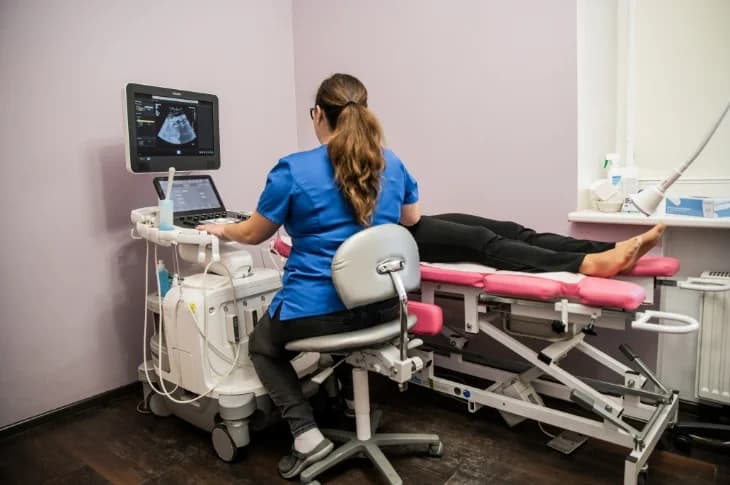
Photo: adoria.lv
Encountering any unusual symptoms discomfort crucial not delay seek professional help. First step gynecologist consultation. During it specialist listens to complaints evaluates medical history performs examination potentially including pelvic organs examination necessary tests taking.
For precise diagnosis often used additional examination methods. Very informative widely used gynecological ultrasound. Allows visualize uterus ovaries other pelvic organs helping diagnose fibroids cysts endometriosis signs polycystic ovaries assess endometrial condition other pathologies.
Depending on situation can be necessary also blood tests for hormone levels inflammation general health indicators urine tests STD tests invasive examinations like hysteroscopy laparoscopy. Treatment plan developed individually based on diagnosis symptom severity woman's age general health condition plans regarding pregnancy.
- More about how modern medicine development helps improve also women's reproductive health care learn reading article: "Gynecology Latest Innovations Modern Treatment Methods.".
Gynecology in Riga Health and Beauty Center Adoria
Health and Beauty Center Adoria gynecology in Riga A. Čaka street 70-3 offers experienced specialists consultations modern diagnostic possibilities ensuring high-quality gynecological services. Book your visit now!